


Swimsol powers Cheval Blanc Randheli with largest floating solar array in the Maldives
In the Maldives, energy is not just a utility, it is a structural challenge.
Each island operates as a self-contained grid, largely dependent on imported diesel. With no inter-island electricity network, fuel must be transported, stored, and consumed locally, making power generation both costly and exposed to global price fluctuations. Fuel imports account for a significant share of national expenditure, placing sustained pressure on an economy built on connectivity and tourism.
Against this backdrop, a shift is underway.
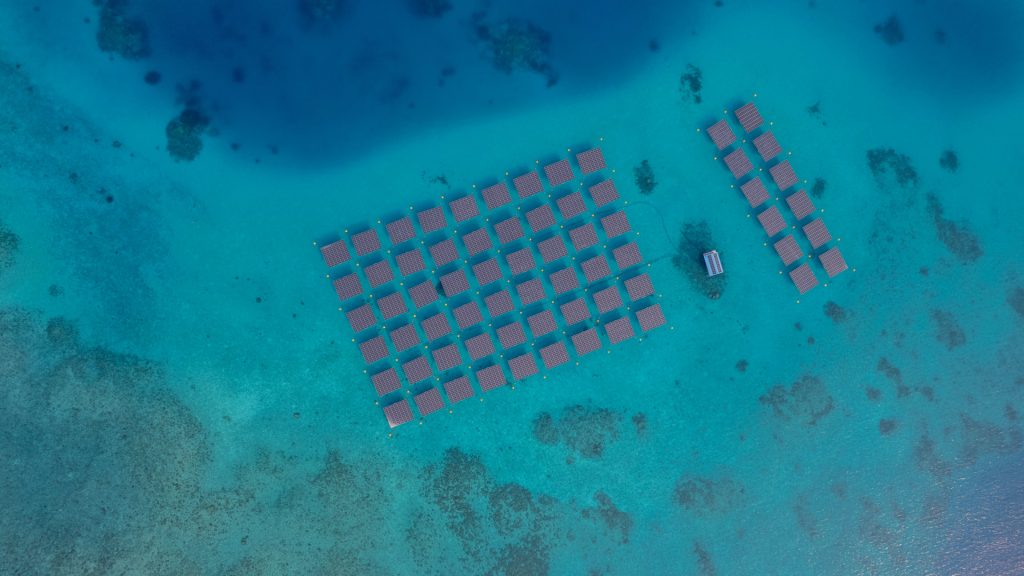
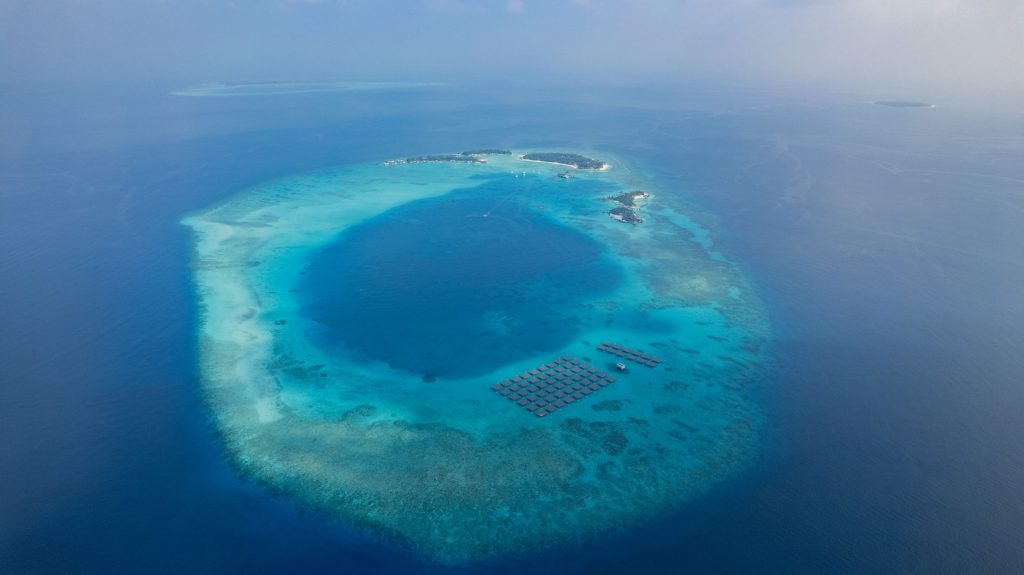
At Cheval Blanc Randheli, a large-scale floating solar installation now powers resort operations during daylight hours. Developed by Swimsol, the 2.4 MW SolarSea® system represents one of the most advanced renewable energy deployments currently in operation in the country.
The system is designed to address a constraint unique to small island states. Land is limited, with less than one per cent of the Maldives’ territory available for development. Traditional utility-scale solar projects require space that most resort islands cannot allocate without affecting infrastructure or guest experience.
Floating solar changes that equation.
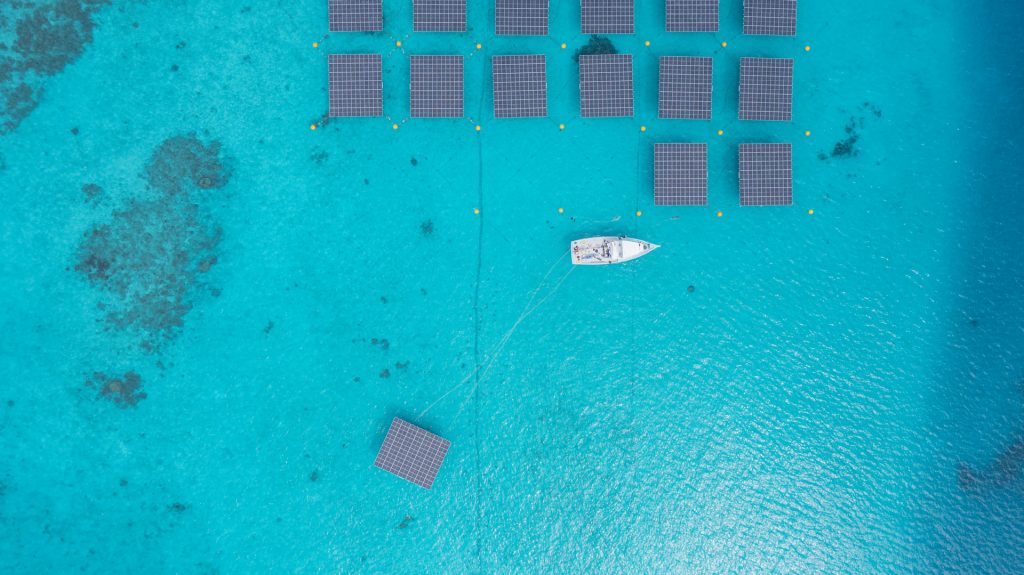
By moving photovoltaic systems offshore, SolarSea® enables energy generation directly on the lagoon. This approach allows resorts to scale solar capacity without competing for land, while maintaining operational efficiency. At Randheli, the installation is expected to deliver annual diesel savings of approximately USD 1.5 million, a figure that reflects both rising fuel costs and the long-term economic case for renewable transition.
The technology itself has evolved over time.
Early deployments focused on rooftop solar, followed by hybrid systems integrated with diesel generators. Floating arrays represent the next stage of that progression, where solar generation operates at scale while maintaining the reliability required for high-end resort environments. For operators, uninterrupted power remains essential. Renewable systems must function within existing infrastructure, not disrupt it.
That concern, once a barrier to adoption, has gradually shifted.
Swimsol reports that more than 50 resort islands across the Maldives now operate with its solar systems, including properties under global brands such as Four Seasons Hotels and Resorts, Waldorf Astoria Hotels & Resorts, One&Only Resorts, and The Ritz-Carlton. What began as cautious experimentation has developed into wider industry acceptance, driven by consistent performance and managed integration.
For island destinations, the implications extend beyond individual properties.
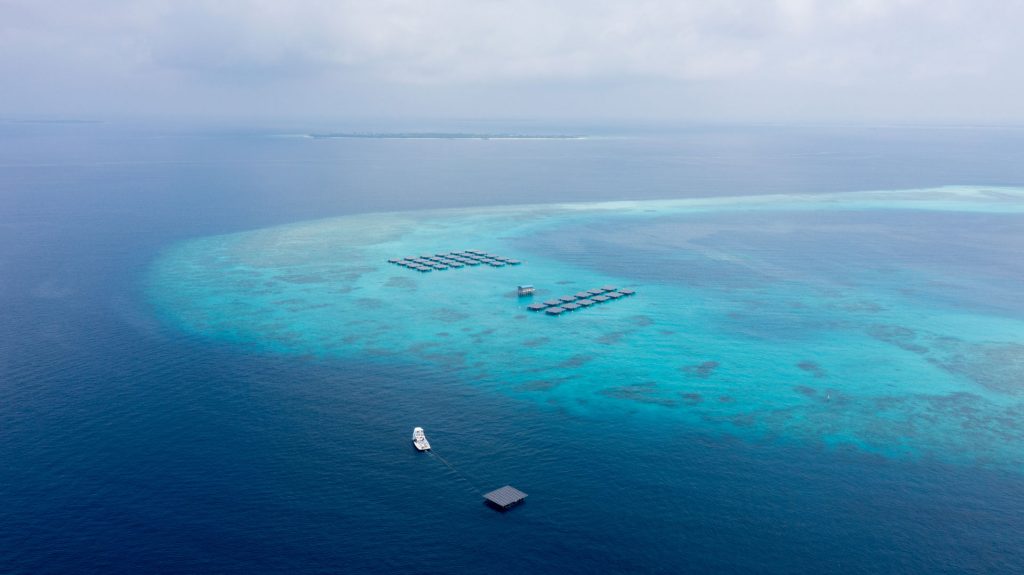
The Maldives has positioned itself as a testing ground for renewable energy in isolated environments. Since launching its first offshore floating solar platform in 2014, Swimsol has expanded to multiple locations across island nations, with the majority of installations concentrated in Maldivian waters. The company reports a total installed capacity of 50 MWp, contributing to a gradual shift in the country’s energy mix.
However, the scale of the challenge remains.
More than 90 per cent of the Maldives’ installed generation capacity, estimated at around 600 MW, still relies on diesel. Transitioning away from this model requires solutions that can operate within the geographic and logistical realities of island systems. Floating solar is increasingly seen as one such solution, offering a balance between sustainability, reliability, and economic viability.
At Randheli, the adoption of SolarSea® reflects that balance.
Resort operations continue without interruption, while daytime energy demand is met through renewable generation. The system functions as part of a hybrid model, reducing reliance on fossil fuels without compromising service delivery. For a destination where guest experience is closely tied to consistency, that integration is critical.
The broader significance lies in what this signals for the future.
As global fuel prices fluctuate, long-term energy stability becomes a strategic priority for island economies. Renewable systems that offer predictable costs over extended periods, in this case up to 30 years, provide a level of certainty that diesel-based generation cannot match.
In the Maldives, where the environment is both the foundation of tourism and the most vulnerable asset, the transition to renewable energy is not only an operational decision. It is increasingly a defining one.
Floating solar, once an experimental concept, is now part of that transition, reshaping how energy is produced, managed, and sustained across the islands.
Comments are closed.